

Blog
Indoor growing articles and guides

How to Optimize the Flowering Phase with Phosphorus and Potassium Without Over-Fertilizing
The flowering phase is key to obtaining dense and resinous buds, requiring phosphorus and potassium, but over-fertilization can damage plants and reduce harvest quality. The article explains how to apply these nutrients precisely to maximize potential without excess.
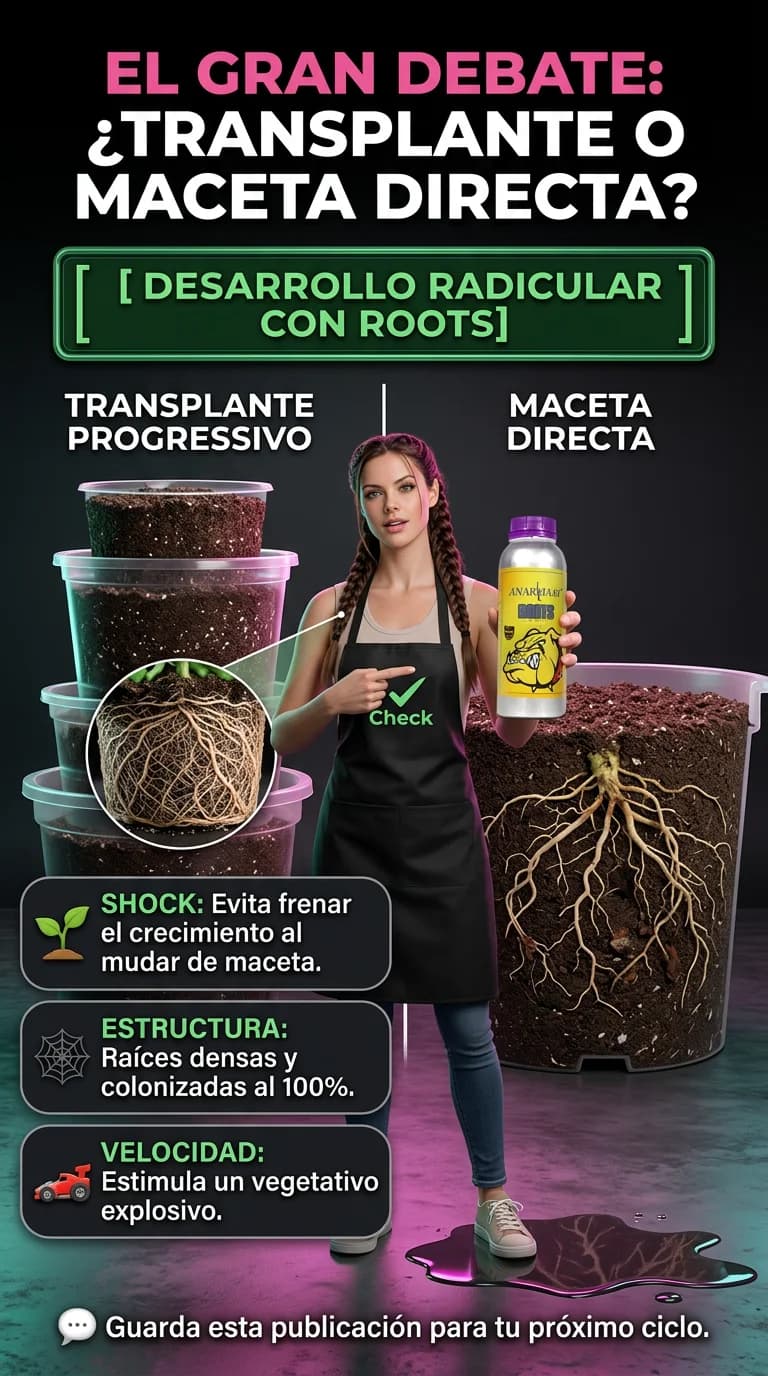
Progressive Transplanting vs. Direct Final Pot: Which Strategy Reduces Root Stress and Accelerates Growth
Progressive transplanting reduces root stress by allowing gradual root development, while direct sowing in the final pot can slow initial growth due to excess space and nutrients. Scientific evidence and practical experience recommend progressive transplanting to accelerate growth more consistently.
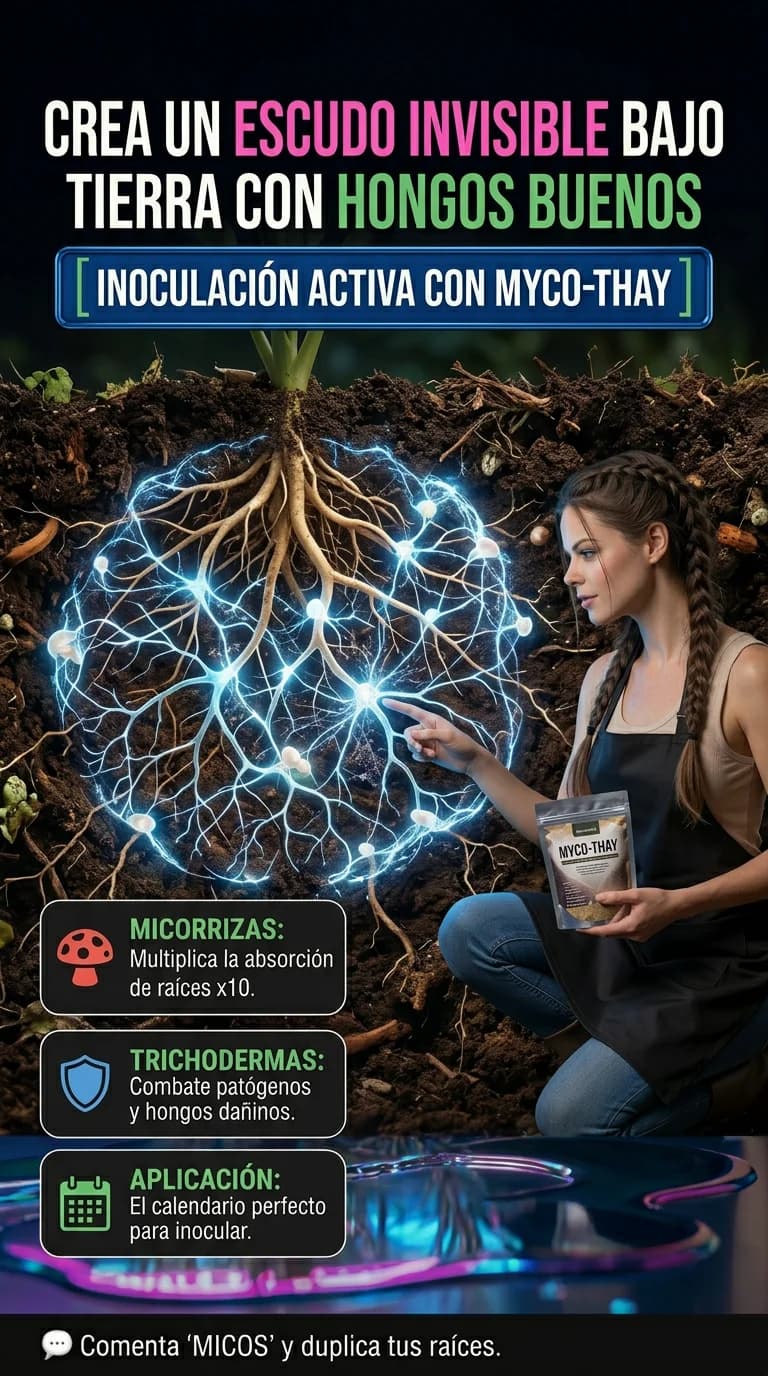
How to Use Mycorrhizae and Trichoderma in Your Next Grow: Application Schedule and Visible Results
Mycorrhizae and trichoderma are beneficial fungi that enhance nutrient absorption and protect roots from pathogens, establishing a key symbiosis for plant development. The article provides a step-by-step application schedule and details visible results, such as stronger roots and reduced post-transplant stress.

Transition from Vegetative to Flowering: How to Synchronize Photoperiod, Watering, and Nutrition Without Stress
The transition from vegetative to flowering in cannabis cultivation requires carefully synchronizing photoperiod, watering, and nutrition to avoid stress and issues like hermaphroditism. The shift from 18 hours of light to a flowering cycle is the key hormonal trigger that must be managed gradually.
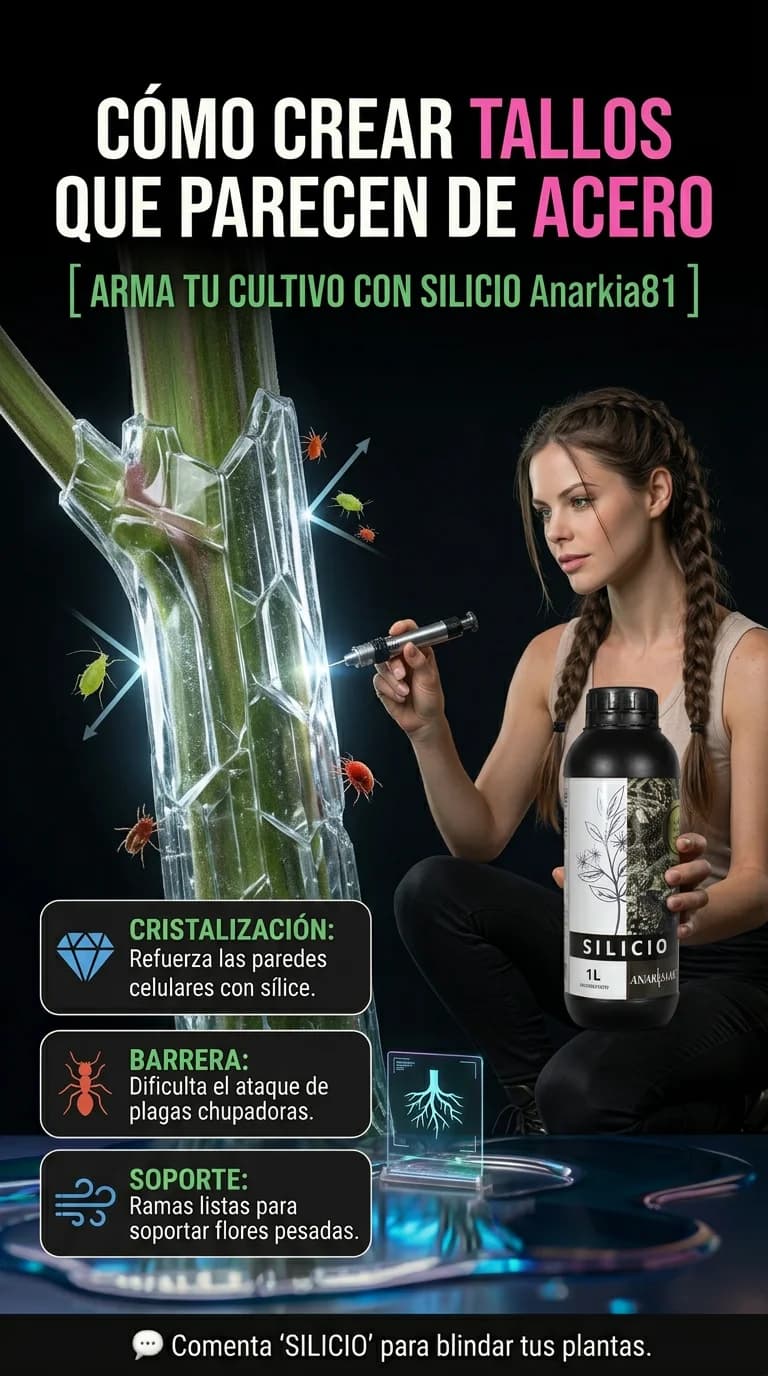
Silicon in Cannabis: The Forgotten Nutrient That Strengthens Stems, Improves Pest Resistance, and Increases Yield
Silicon, although not essential for the basic cannabis life cycle, strengthens stems, improves pest resistance, and increases yield. This forgotten nutrient is a strategic ally for growers seeking quality and professional performance.
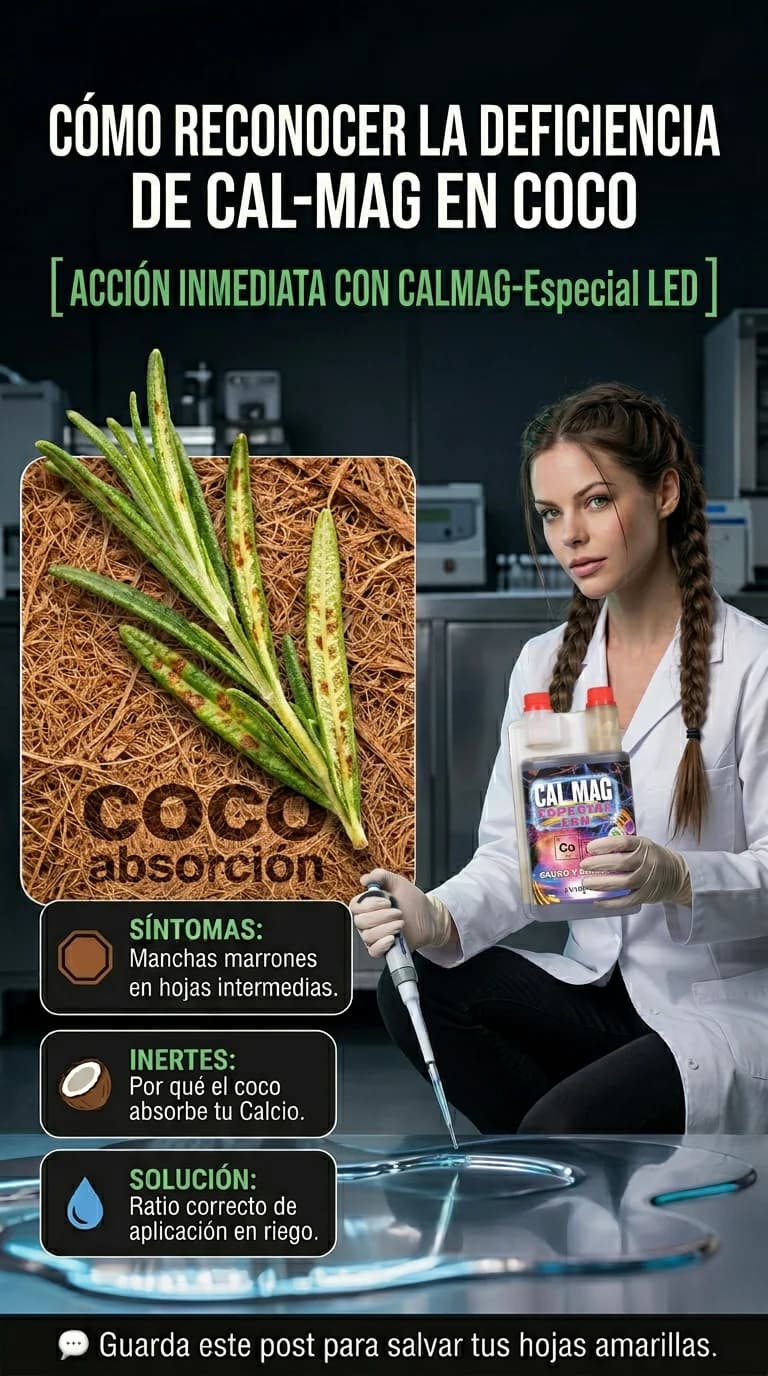
How to Identify and Correct Calcium and Magnesium Deficiencies in Coco Coir Substrates
The article explains how to identify calcium and magnesium deficiencies in coconut substrates, caused by their low cation exchange capacity and tendency to retain sodium and potassium. It also offers solutions to correct these imbalances, especially in crops with LED lighting.
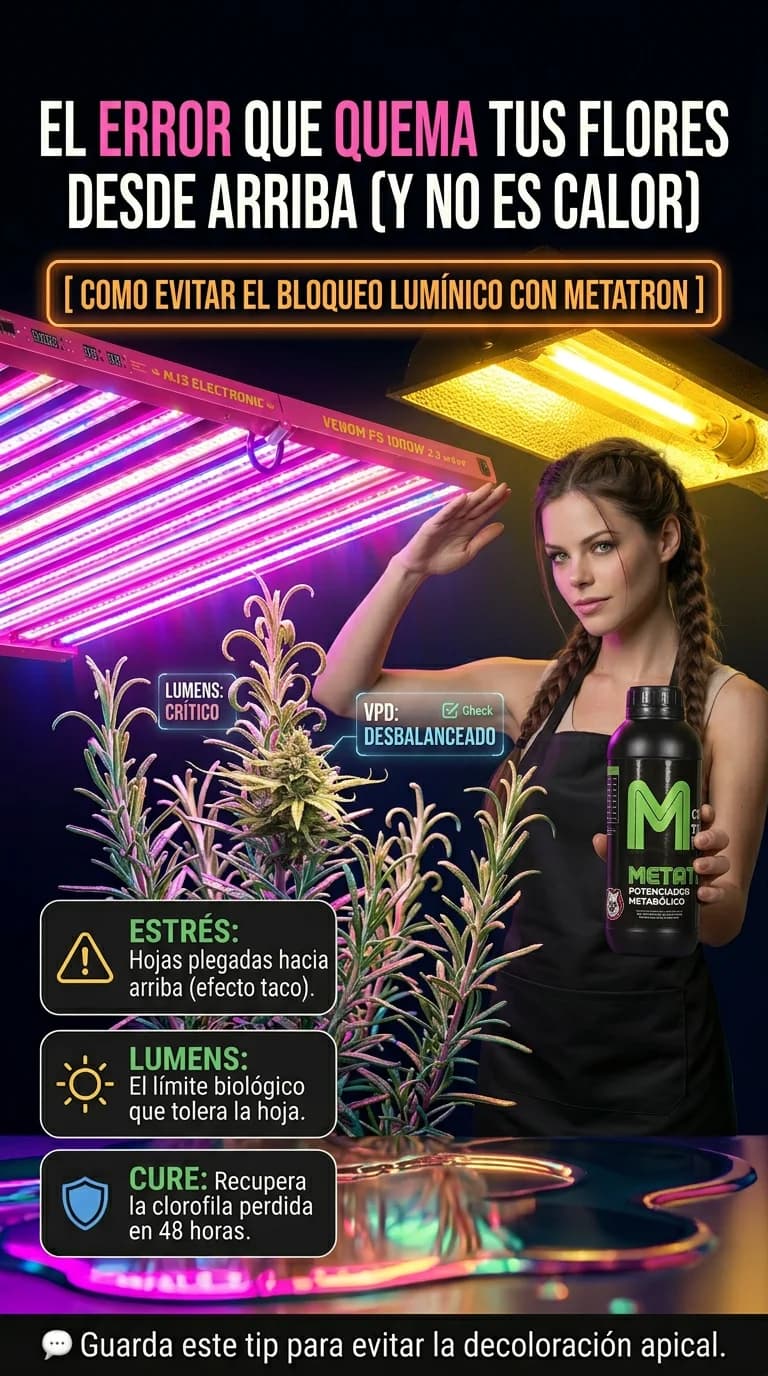
How to Avoid Light Stress in Your Indoor Grow: Common Mistakes with LEDs and HPS
Light stress in indoor crops occurs when plants receive excessive light intensity or an inadequate spectrum, reducing yields and potentially bleaching buds. To avoid it, it is crucial to identify common mistakes with LEDs and HPS, such as incorrect distance or excessive power, and adjust lighting according to plant needs.

Humidity control indoors: strategies to prevent mold in dense buds
The article addresses humidity control in indoor cannabis cultivation, highlighting that relative humidity above 60% during the dark phase and insufficient ventilation promote mold growth in dense buds. It presents strategies based on plant physiology to prevent pathogens such as Botrytis cinerea and powdery mildew.